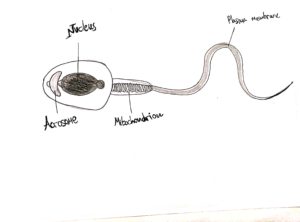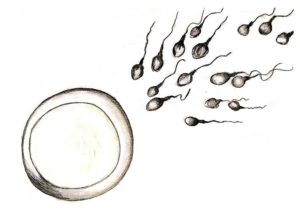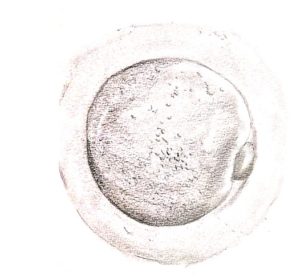
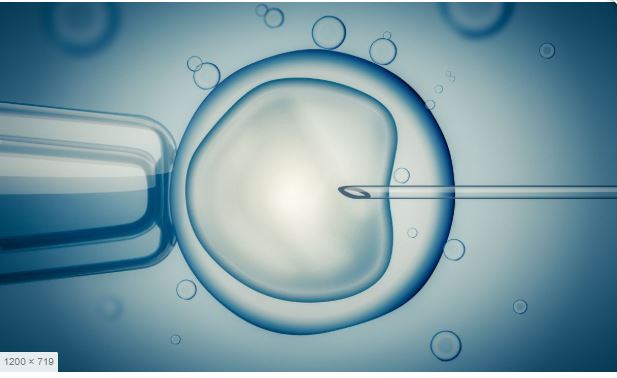
While the beneficial nature of melatonin, an endogenous anti-oxidant, has been known for decades, the investigation into the role of melatonin in fertility treatments, in which samples are subjected to considerable oxidative stresses, is still in its infancy. It is known that melatonin receptors are present spermatozoa. Moreover, melatonin, through its neutralization of reactive oxygen and nitrogen species, has been shown in both animal and human studies to improve seminal quality in-vitro. Two studies have shown that the addition of melatonin to seminal samples can improve the overall motility and the percentage of progressively motile sperm. Melatonin also appears to inhibit apoptosis (i.e., cell death) in sperm, thus prolonging sperm survival. These effects would serve to improve sperm quality, therefore increasing the probability of successful fertilization. A study investigating the addition of melatonin to cryopreserved seminal samples from Holstein bulls resulted in amelioration of the oxidative effects of the freeze-thaw process. Studies in rats also have shown that melatonin has a positive effect on sperm that have been subjected to oxidative stress, improving sperm number, viability and motility. Similar results have been found in a small human study in which in-vitro melatonin-treated samples showed a higher percentage of sperm motility and a lower proportion of non-viable spermatozoa.
As for the effect of melatonin on sperm quality in the male body, a single study found that melatonin diminishes sperm counts and motility to subnormal levels in some healthy young men. However, flaws were found in its research design, Therefore, additional research with a larger group of subjects is required before reliable and convincing conclusions can be made.