
Microdissection TESE (micro-TESE)
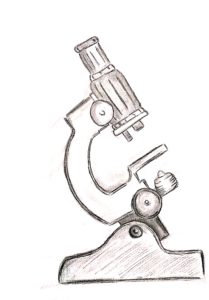
In a micro-TESE, a wide initial incision is made in the scrotum to expose the testis. The surgeon then searches the entire testis for those larger, opaque testicular tubules which can indicate the presence of sperm. If found, small biopsies are taken, specifically from these healthy-looking tubules. If all the tubules appear the same, then random biopsies are taken from all over the testis. As the samples are removed, they are sequentially examined for sperm cells. When sperm cells are found, the procedure is concluded. In cases where sperm is not found in the operating room, the samples will continue to be searched extensively in the lab as well. In either case, each biopsy is analyzed under a microscope to search for mature sperm cells.
Micro-TESE is minimally invasive and safe, with a higher success rate than conventional TESE. The procedure is performed under an operating microscope, which allows the surgeon to be certain not to disturb the testicular blood supply, and allows him/her to differentiate between “healthy” tubules and the rest. It allows the specific targeting of regions that are more likely to contain mature sperm. The procedure also has a lower complication rate than others.
Testicular Torsion
Testicular torsion is a condition occurring in about 1 in 4000 males under 25, where one testicle will rotate within the sac. The rotation twists