
Testicular Sperm Aspiration (TESA)

Testicular Sperm Aspiration (TESA), also known as Testicular Fine Need Aspiration (TEFNA) TESA is performed under local anesthesia and is usually the method chosen for males with OA who are retrieving sperm for IVF/ICSI. The timing of the procedure will usually be coordinated with their female partner’s ovulation, occurring on the same day as her […]
Microdissection TESE (micro-TESE)

Microdissection TESE (micro-TESE) In a micro-TESE, a wide initial incision is made in the scrotum to expose the testis. The surgeon then searches the entire testis for those larger, opaque testicular tubules which can indicate the presence of sperm. If found, small biopsies are taken, specifically from these healthy-looking tubules. If all the tubules appear […]
Sperm Mapping
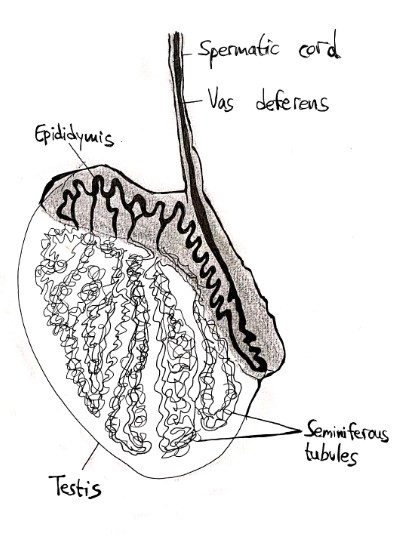
In some men with non-obstructive azoospermia, there is a small amount of sperm production. However, it is difficult to find and extract it due to its inconsistent pattern of distribution in the testes. In order to locate individual “hot spots” of sperm production, a method known as sperm mapping, also known as fine-needle aspiration […]
Y Chromosome Microdeletion
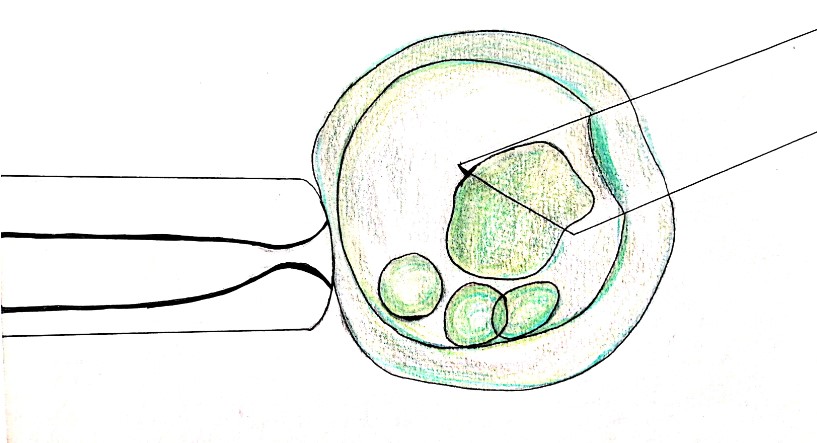
The Y chromosome is passed on to the next generation through the sperm cells, and it carries the genes which control testicular development and sperm production. As each individual sperm cell is formed, the DNA from the chromosome is broken into pieces, duplicated, and put together again, resulting in slight changes and rearrangements. Sometimes, small […]
Environmental factors

Studies have shown that certain environmental factors can have negative effects on male fertility. Overexposure to these factors, such as toxic chemicals or heat, can reduce sperm function and/or production. However, it is important to note that many of these studies are controversial and inconclusive, and there is much more research to be done in […]
Cryptorchidism
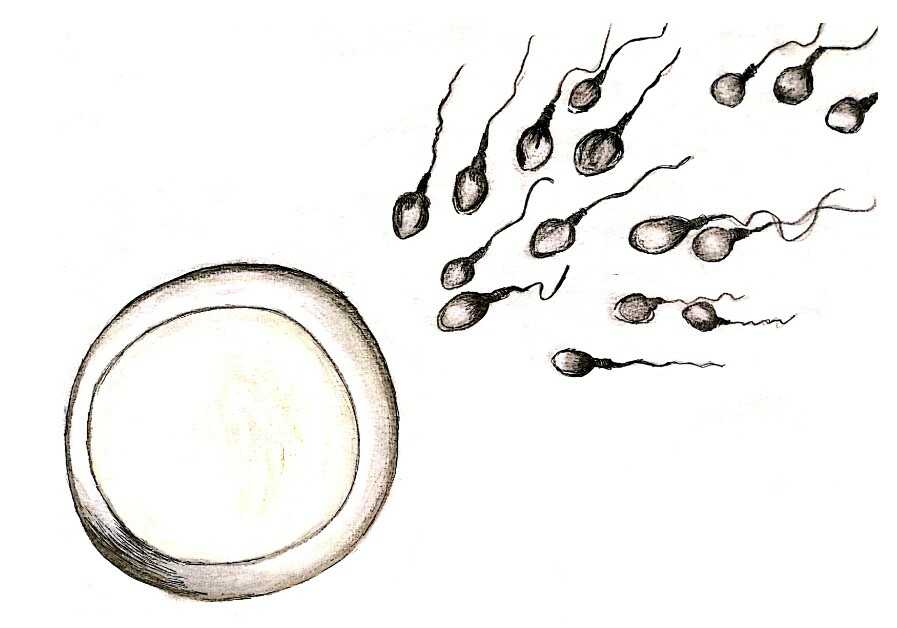
The testes begin to develop around the fifth week of pregnancy, and by birth have undergone a process known as testicular descent, where they move to their final location in the scrotum. This movement is essential for spermatogenesis post-puberty, as the scrotal temperature is lower than in the abdomen and allows for sperm to develop. […]
Kruger’s Morphology
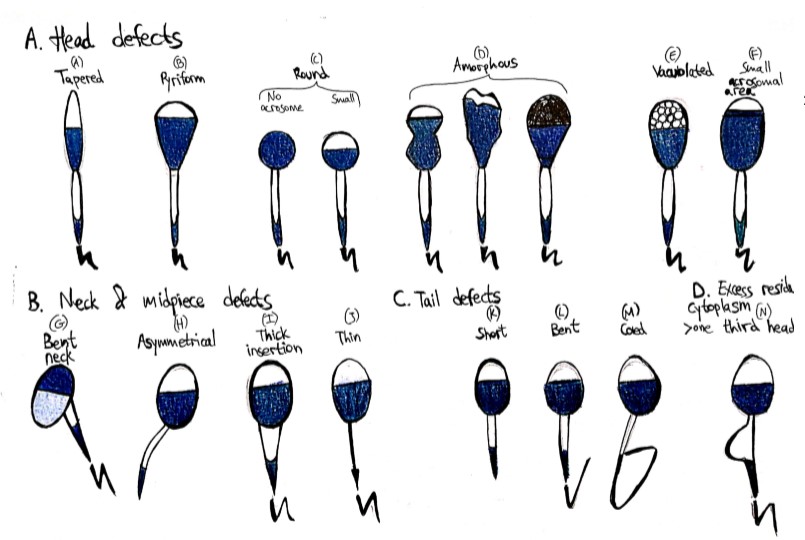
Kruger’s Strict Criteria Morphology Assessment One of the parameters assessed during a sperm analysis is morphology, the shape, and structure of the sperm cell. While there are several different standards for morphology assessment, the strictest method is Kruger’s. Kruger’s strict criteria analysis is performed under a high magnification microscope. A large number (at […]
Anti-sperm Antibodies

Under regular conditions, sperm cells do not come into contact with the body’s immune system. However, if the barrier which enforces this is broken, due to trauma, illness, or surgery (such as vasectomy), then immune cells will begin to come into contact with sperm cells for the first time. Since sperm cells are created only […]
DNA Fragmentation

While semen analysis is a widely used tool for measuring sperm concentration, motility, and morphology, it does not on its own provide a full picture of a male’s fertility, as there could be a number of other factors involved. The sperm cell contains its genetic material or DNA. It is important that the makeup of […]
Azoospermia
Overview / Definition Azoospermia is a condition found in approximately 1% of all males. Evaluation of this condition is defined after a qualified search confirming the absence of sperm cells in two separate semen samples. A true diagnosis of azoospermia requires a comprehensive study of the patient’s full medical history, in addition to a physical […]