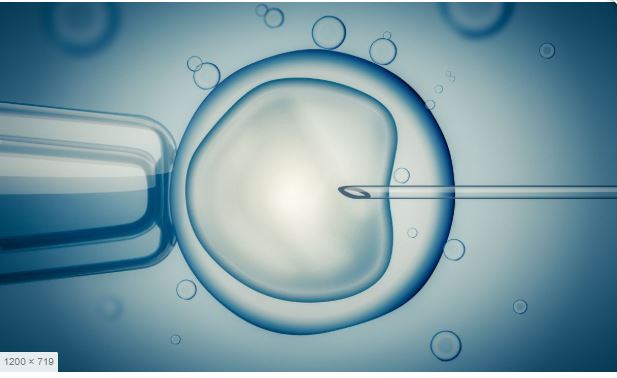
total fertilization failure still occurs in 2% to 3% of ICSI cycles
reveals fertilization failure after ICSI may be explained by defects in oocyte, sperm, or the ICSI procedure
Oocyte immaturity or inherited genetic defects may account for failed fertilization related to oocyte factors
Expulsion of the injected sperm from the oocytes accounts for up to 20% of unfertilized post-ICSI oocytes.
Viability, abnormal chromatin status, inability of sperm nucleus to decondense, or inability of sperm to activate oocytes are sperm defects that may account for failed fertilization after ICSI
analysis of failed fertilized oocytes after ICSI has revealed that more than 80% of unfertilized oocytes are arrested at the metaphase II (MII) stage, possibly due to failed oocyte activation
a variety of studies have tried to overcome fertilization failure through various methods of artificially activating oocytes after ICSI, including chemical and electrical oocyte activation.