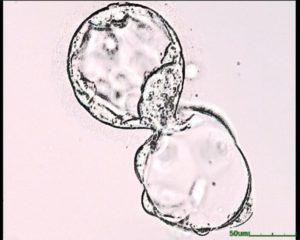
Intracytoplasmic Sperm Injection (ICSI) is a method of artificial insemination very similar to IVF. For ICSI, sperm and eggs are collected from both partners and egg fertilization is performed in the laboratory under a microscope, using a single sperm cell selected from the sample. The sperm is collected in a thin glass needle and injected directly into the egg.
Why ICSI and not regular IVF?
The main difference between ICSI and IVF is the amount of sperm involved. While IVF utilizes multiple sperm cells and allows them to reach the egg “naturally”, ICSI only utilizes a single, selected sperm cell which is specifically injected into the egg.
There are several circumstances under which ICSI is a more suitable option than IVF. If the male sperm count is very low or if the count is high however many of the cells are abnormal, the ICSI method allows the selection and use of those sperm cells which do exist and are normal. When the sperm cells have been retrieved surgically, for example through TESE, the number of sperm cells available is likely lower and not sufficient for conventional IVF. Additionally, if IVF has already been attempted and fertilization was unsuccessful, ICSI may be a good alternative.
The average success rate of egg fertilization using ICSI ranges from 50-80%. Once fertilization occurs, the success rate of achieving pregnancy is the same as when using IVF.
Are there any increased risks when compared to regular IVF?
Besides the risks associated with conventional IVF, ICSI comes with a slightly increased but still extremely rare risk of birth defects. There do exist specific birth defects that are more likely to occur following ICSI, such as Angelman syndrome and sex chromosome abnormalities, however, they occur in less than 1% of ICSI babies.