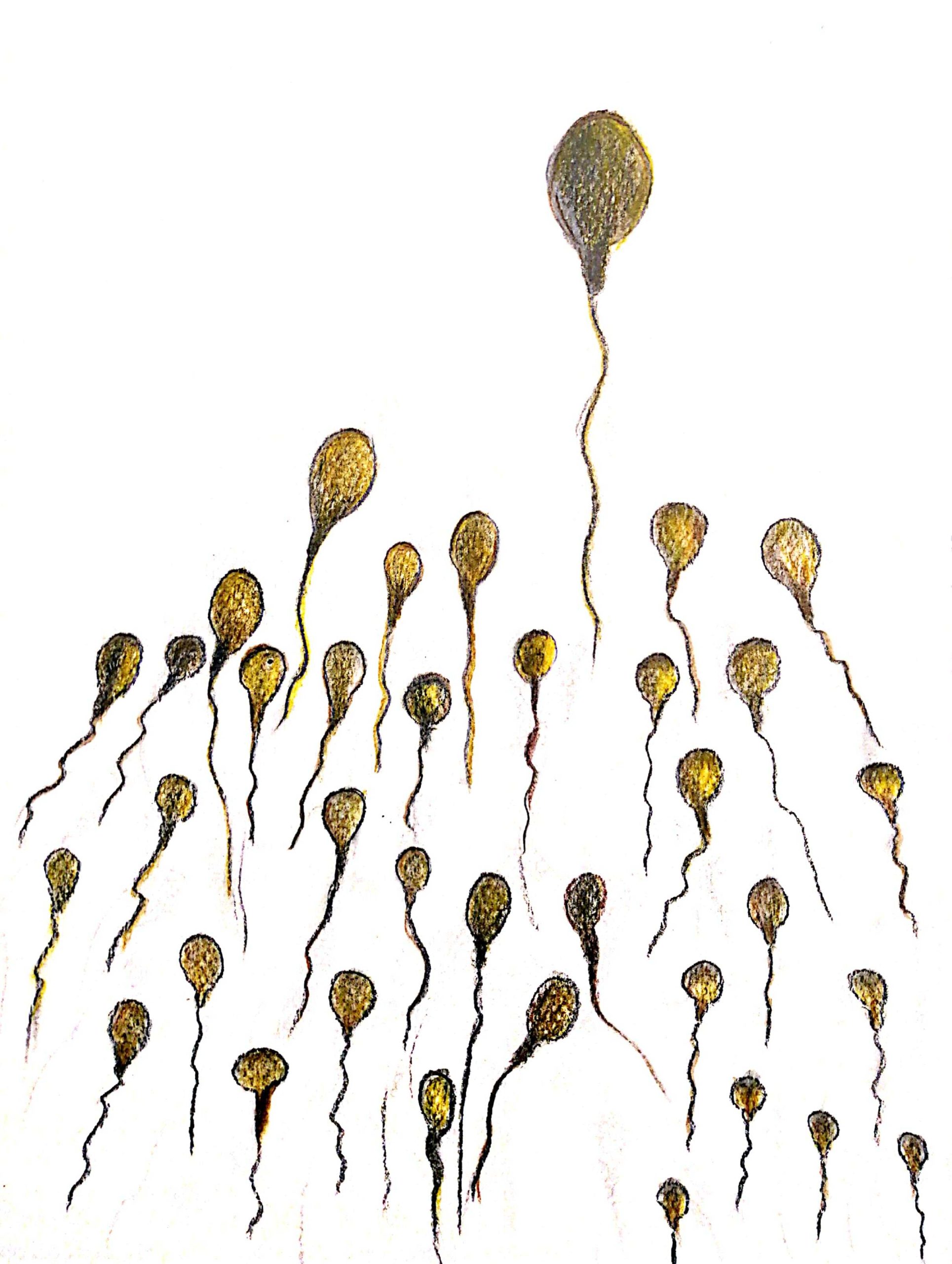
Teratospermia, also called teratozoospermia, is the term used to describe the condition where a male’s sperm cells have a high amount of abnormal morphology (shapes), so much so that it affects fertility.
Teratozoospermia’s cause is usually unknown, however it has shown links to conditions such as Hodgkin’s and Crohn’s disease, as well as to lifestyle choices such as smoking and exposure to some toxins. The existence of a varicocele has also been associated with teratozoospermia.
Teratozoospermia can be detected by staining the sperm cells and studying them under a microscope.
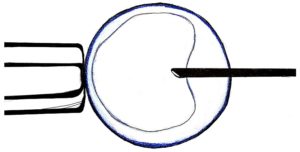
While teratozoospermia can affect the ability to achieve a natural pregnancy, it can be overcome by using IVF-ICSI techniques. In. In these cases, a single, normally shaped sperm cell can be chosen to fertilize the egg directly.